Exosomes are tiny vesicles, or “bubbles,” released by various cells in the human body. They carry bioactive molecules such as growth factors, amino acids, lipids, and peptides. Acting as messengers, these nanoparticles transmit signals to unhealthy cells, triggering them to regenerate.
How Exosome Treatment Works
As we age, cell function deteriorates and natural exosome levels decline. Exosome treatment introduces fresh exosomes that deliver targeted signals, instructing skin cells to repair and renew themselves. Depending on the specific signals transmitted, this can lead to a significant increase in collagen and elastin production, reduced pigmentation, improved wound healing, and decreased inflammation. The result is visibly plumper, firmer, brighter, and smoother skin.
At s.k.MED, the exosomes we use are meticulously extracted from botanical stem cells and processed using patented technology. The final product is highly purified, containing 49.2 billion particles and more than 1,000 types of growth factors and regenerative proteins. Combined with premium activators, it delivers a holistic and highly effective skin rejuvenation experience.
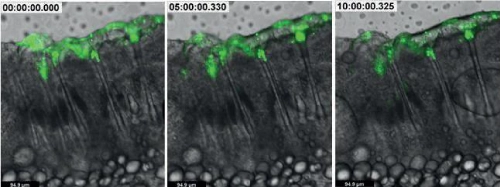
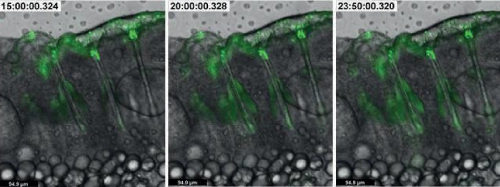
The following six images depict the penetration of exosome nano particles into the skin over 24 hours.
Anti-inflammation
Potent antioxidant
Regeneration
Melanin modulation
The exosome treatment is performed alongside microneedling or laser therapy. These procedures create micro-channels in the skin which facilitate the penetration and absorption of the exosomes. In addition, exosomes work synergistically with the skin’s natural healing processes to maximise the benefits of the device-based treatments.
Exosome treatment addresses the following:
Most patients require 4 to 6 sessions performed at 3 to 4-weekly intervals.
The procedure is generally well tolerated apart from mild redness which typically resolves within an hour.
The treatment is very tolerable with numbing cream.
Exosome Treatment is usually combined with microneedling, microneedling radiofrequency, or MicroLaserPeel®.
Electrosurgery is a precise, minimally invasive treatment that uses high-frequency electrical currents to remove or treat unwanted skin lesions. It is commonly used for conditions such as skin tags, warts, seborrhoeic keratoses, milia, and other benign growths. The controlled electrical energy allows for accurate targeting with minimal damage to surrounding tissue, promoting faster healing and reduced scarring. The procedure is quick and well-tolerated, making it an efficient solution for achieving clearer, smoother skin.
Various lumps and bumps such as:
Wound healing will take around 7 days.
Subcision is a minimally invasive procedure designed to treat depressed or tethered acne scars, such as rolling scars. It works by releasing the fibrous bands beneath the surface of the skin that pull the scar downwards, resulting in a smoother, more even skin texture.
During the treatment, a fine needle is inserted beneath the scar to carefully break up the fibrous tissue. This not only frees the scar from the underlying structures but also stimulates the skin’s natural healing process, encouraging collagen production and improving skin firmness over time.
This technique is safe, effective, and suitable for many skin types, with minimal downtime. Multiple sessions may be recommended for optimal results depending on scar severity.
The number of treatment sessions required depends on the severity of the condition. For the majority of cases, three sessions, each spaced four weeks apart, are sufficient.
The procedure will be performed with local anaesthesia.
Subcision is a safe procedure. Common side effects include bruising, redness, and swelling. Aftercare advice will be provided.
The redness and bruising usually resolve within 4 to 5 days.
Subcision is often used in combination with other scar revision treatments such as MicroLaserPeel®, ProFractional® erbium YAG, TCA CROSS, or polynucleotide skin booster to enhance results and target various scar types more effectively.
TCA CROSS (Chemical Reconstruction of Skin Scars) is an advanced dermatological technique specifically designed to improve the appearance of atrophic acne scars, including ice pick, boxcar, and some types of rolling scars.
This treatment involves the precise application of high-strength trichloroacetic acid (70%–100%) directly into the base of each individual scar. The acid triggers a controlled inflammatory response, which stimulates collagen production and promotes dermal remodelling. Over time, this results in the gradual elevation of the scar and a smoother, more even skin surface.
TCA CROSS is particularly effective for deep, narrow scars that are often resistant to other treatments. It is a safe and affordable procedure with minimal downtime and can be performed on most skin types. For best results, TCA CROSS is commonly combined with other scar revision methods, such as subcision, polynucleotide skin booster, or laser resurfacing, as part of a comprehensive treatment plan.
Most patients require 4 to 6 sessions performed at 4-weekly intervals.
The procedure is generally well tolerated. Immediately following the treatment, the treated areas may be red and slightly sore. Scabs may develop which will peel within 3-5 days. Full results may only be observed after 3-4 months.
TCA CROSS is usually combined with subcision, polynucleotide skin booster, MicroLaserPeel®, and ProFractional® erbium YAG laser as part of our scar revision treatment program.